
Written by the Doctobip Editorial Team. Educational information only — not medical advice. See our Medical Disclaimer.
This complete guide to choose glucose meter gives you clear, practical answers, the essentials worth knowing, and the questions people ask most. Everything is explained in plain, everyday language, so you can understand what matters and act on it today with real confidence.
Affiliate note: Doctobip is reader-supported. Some links on this site may be affiliate links — at no extra cost to you. We never let commissions influence our advice. See our Affiliate Disclosure.
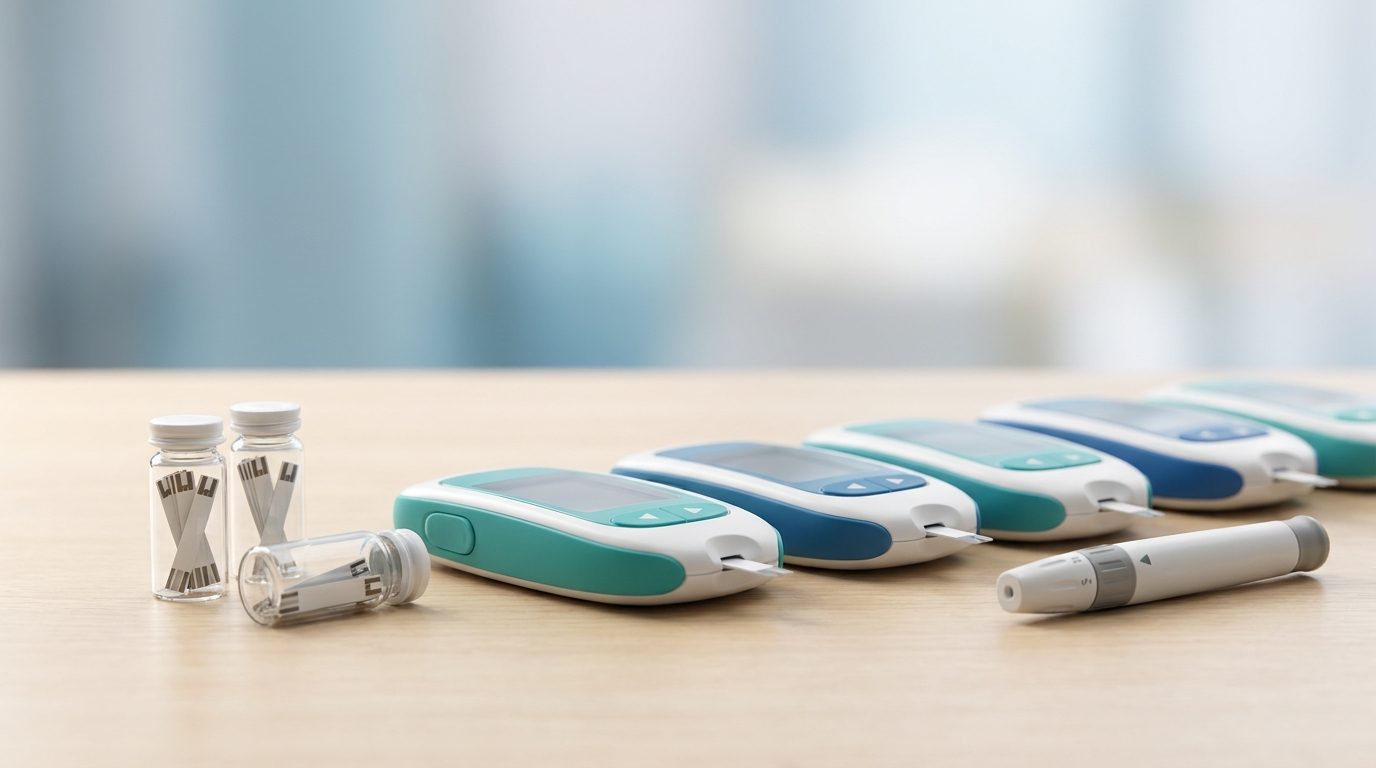
A glucose meter is one of the most important tools for managing diabetes — and with dozens of models available, choosing one can feel overwhelming. This guide explains the criteria that actually matter, so you can pick a meter that fits your life (and your insurance).
The 8 criteria that actually matter
1. Accuracy
The single most important factor. Look for meters that meet the ISO 15197:2013 standard or are FDA-cleared. Accuracy differences between reputable brands are usually small, but budget no-name meters can disappoint.
2. Cost of test strips (not the meter)
Meters are often cheap or free — the real cost is strips, which you may use several times a day, every day. Before buying, check the price per strip and what your insurance covers. A “cheap” meter with expensive strips costs far more over a year.
3. Blood sample size
Modern meters need tiny samples (0.3–1.0 microliters). Smaller samples mean less painful fingersticks and fewer wasted strips.
4. Speed and ease of use
Most meters give results in about 5 seconds. If dexterity or eyesight is a concern, look for large displays, backlit screens, strip ejectors and simple two-step operation.
5. Data and connectivity
Many current meters sync via Bluetooth with a phone app, making it easy to log readings, spot trends, and share data with your care team. If you like tracking, this is worth having; if not, a simple memory function may be enough.
6. Alternate site testing
Some meters allow testing from the palm or forearm to give fingertips a rest. Note that fingertip readings react fastest to rapid changes.
7. Insurance and availability
In practice, insurance often decides for you: many plans prefer certain brands’ strips. Check your plan first — the “best” meter is often the excellent one your insurance actually covers.
8. Meter vs CGM
If you test many times a day or want continuous insight, ask your doctor about a continuous glucose monitor (CGM) — a sensor worn on the body that reads glucose around the clock. Learn more in our Devices & CGM section.
Trusted brands to start your research
Rather than chasing a single “best” model, start with the major manufacturers with long track records: Contour (Ascensia), OneTouch (LifeScan), Accu-Chek (Roche), and FreeStyle (Abbott). All offer accurate, widely supported meters with readily available strips.
- ✅ Strips covered by your insurance (or affordable out of pocket)
- ✅ Meets ISO/FDA accuracy standards
- ✅ Small sample size, fast results
- ✅ Display and buttons you find comfortable
- ✅ App connectivity — if you’ll actually use it
Frequently asked questions
Are cheap meters accurate enough?
Some are, but stick with FDA-cleared devices from established brands. Consistency matters as much as accuracy — use one meter for tracking trends.
How often should I replace my meter?
Meters last years, but consider an upgrade if yours needs large samples, is slow, or lacks features you now want. Also confirm strips are still widely available.
Do I still need a meter if I have a CGM?
Usually yes — meters are used to confirm readings in certain situations. Your care team will guide you.
References
- U.S. Food & Drug Administration — Blood Glucose Monitoring Devices
- American Diabetes Association (ADA) — Consumer Guide
- ISO 15197:2013 — In vitro diagnostic test systems
Learning how to choose glucose meter
Knowing how to choose glucose meter takes a little practice. When you choose glucose meter, focus on the features that matter to you, compare a few options and don’t rush the decision. If you’re unsure how to choose glucose meter, ask your pharmacist or care team — they can help you choose glucose meter with real confidence.
Choose Glucose Meter: The Bottom Line
The best outcomes rarely come from dramatic overhauls — they come from small, consistent habits you can actually keep. Start by understanding what your key numbers mean, then agree on realistic targets that fit your daily life together with your care team. Keep a simple record of what you eat, how you move and how you feel, so patterns become clear and you can repeat what works. Prepare for the tricky moments in advance, and give yourself credit for steady progress rather than perfection. Above all, if something feels off or you are unsure, do not guess — reach out to a qualified healthcare professional. With reliable information and a routine that suits you, staying in control becomes far more manageable.
Helpful links
Medical disclaimer: This article is for general education and is not a substitute for professional medical advice. Consult your healthcare provider before changing how you monitor your blood sugar.