
Written by the Doctobip Editorial Team. Educational information only — not medical advice. See our Medical Disclaimer.
This complete guide to hyperglycemia gives you clear, practical answers, the essentials worth knowing, and the questions people ask most. Everything is explained in plain, everyday language, so you can understand what matters and act on it today with real confidence.
Hyperglycemia — high blood sugar — is the flip side of a low, and just as important to recognize. Occasional highs happen to everyone with diabetes; the goal is to spot them, respond calmly, and understand what pushed your numbers up.
What counts as high blood sugar?
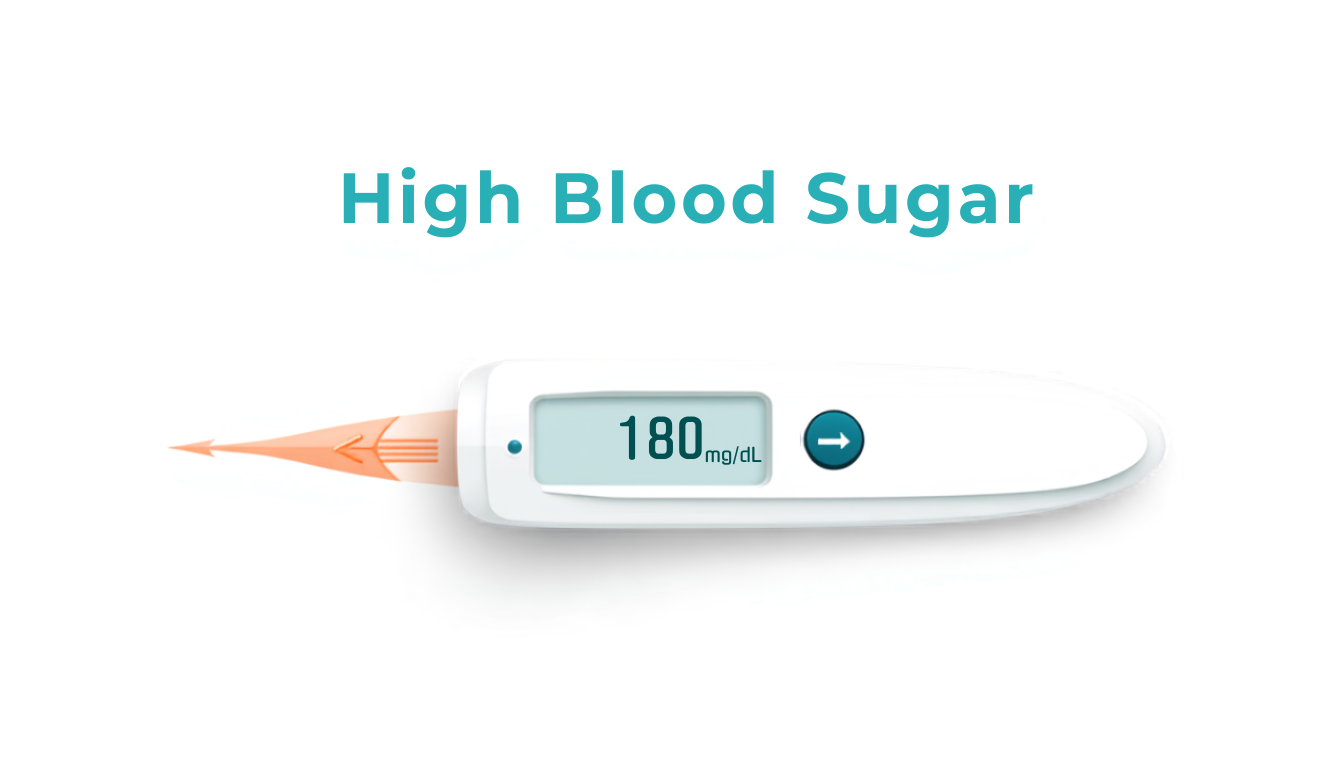
For many people with diabetes, blood sugar is considered high above roughly 180 mg/dL after meals, or above your personal target when fasting. Sustained readings above 240 mg/dL deserve attention. Your exact targets are individual — see our guide to normal blood sugar levels and confirm your goals with your care team.
Symptoms of high blood sugar
Highs often build slowly and can be easy to miss:
- Increased thirst and a dry mouth
- Frequent urination
- Fatigue or low energy
- Blurred vision
- Headache
- Difficulty concentrating
What causes blood sugar to rise?
- Food — larger portions or more carbohydrates than usual
- Too little insulin or medication, or a missed dose
- Illness or infection — the body releases stress hormones that raise glucose
- Stress and poor sleep
- Less activity than usual
- The “dawn phenomenon” — a natural early-morning glucose rise
How to respond to a high
- Check and confirm your reading
- Drink water — dehydration makes highs worse
- Move a little if you feel well — a short walk can help lower glucose (but not if ketones are present, see below)
- Follow your care plan — some people have a correction dose of insulin agreed with their doctor
- Look for a cause so you can prevent the next one
When high blood sugar is an emergency
Very high blood sugar can become dangerous. Seek urgent medical care if you have:
- Readings that stay very high (e.g., above 240–300 mg/dL) despite your usual steps
- Nausea, vomiting, abdominal pain, fruity-smelling breath, or trouble breathing — possible signs of diabetic ketoacidosis (DKA), a medical emergency, especially in type 1 diabetes
- Confusion or extreme drowsiness
People using insulin are often advised to check for ketones when blood sugar is high — ask your care team when and how.
- Highs are common — recognize the thirst/fatigue/blurred-vision pattern.
- Hydrate, move gently, and follow your correction plan.
- Persistent very high readings or DKA symptoms = urgent care.
Frequently asked questions
Why is my blood sugar high in the morning?
Often the dawn phenomenon (natural hormone surge) or, sometimes, a rebound. Discuss patterns with your provider.
Can I exercise to bring a high down?
Light activity can help — but if you have ketones (type 1), exercise can make things worse. Check with your team.
One high reading — should I worry?
A single high is usually not an emergency. Patterns of highs are what matter; share them with your care team.
References
- American Diabetes Association — Hyperglycemia (High Blood Glucose)
- CDC — cdc.gov/diabetes
- NIDDK — niddk.nih.gov
Putting hyperglycemia into practice
The real value of hyperglycemia comes from steady, day-to-day consistency. Keep hyperglycemia simple: learn the essentials first, then build a routine that genuinely fits your life. If you ever feel stuck with hyperglycemia, small adjustments usually beat big changes — and your care team can tailor hyperglycemia to your personal needs.
Hyperglycemia: The Bottom Line
The best outcomes rarely come from dramatic overhauls — they come from small, consistent habits you can actually keep. Start by understanding what your key numbers mean, then agree on realistic targets that fit your daily life together with your care team. Keep a simple record of what you eat, how you move and how you feel, so patterns become clear and you can repeat what works. Prepare for the tricky moments in advance, and give yourself credit for steady progress rather than perfection. Above all, if something feels off or you are unsure, do not guess — reach out to a qualified healthcare professional. With reliable information and a routine that suits you, staying in control becomes far more manageable.
Helpful links
Medical disclaimer: This article is for general education and is not a substitute for professional medical advice. Follow the plan agreed with your healthcare team.