
Written by the Doctobip Editorial Team. Educational information only — not medical advice. See our Medical Disclaimer.
This complete guide to diabetes complications gives you clear, practical answers, the essentials worth knowing, and the questions people ask most. Everything is explained in plain, everyday language, so you can understand what matters and act on it today with real confidence.
Talking about diabetes complications isn’t about fear — it’s about power. Every major complication shares the same root (years of elevated blood sugar damaging blood vessels and nerves) and the same defense: good control, regular screening, early action. Here’s what to protect, and how.
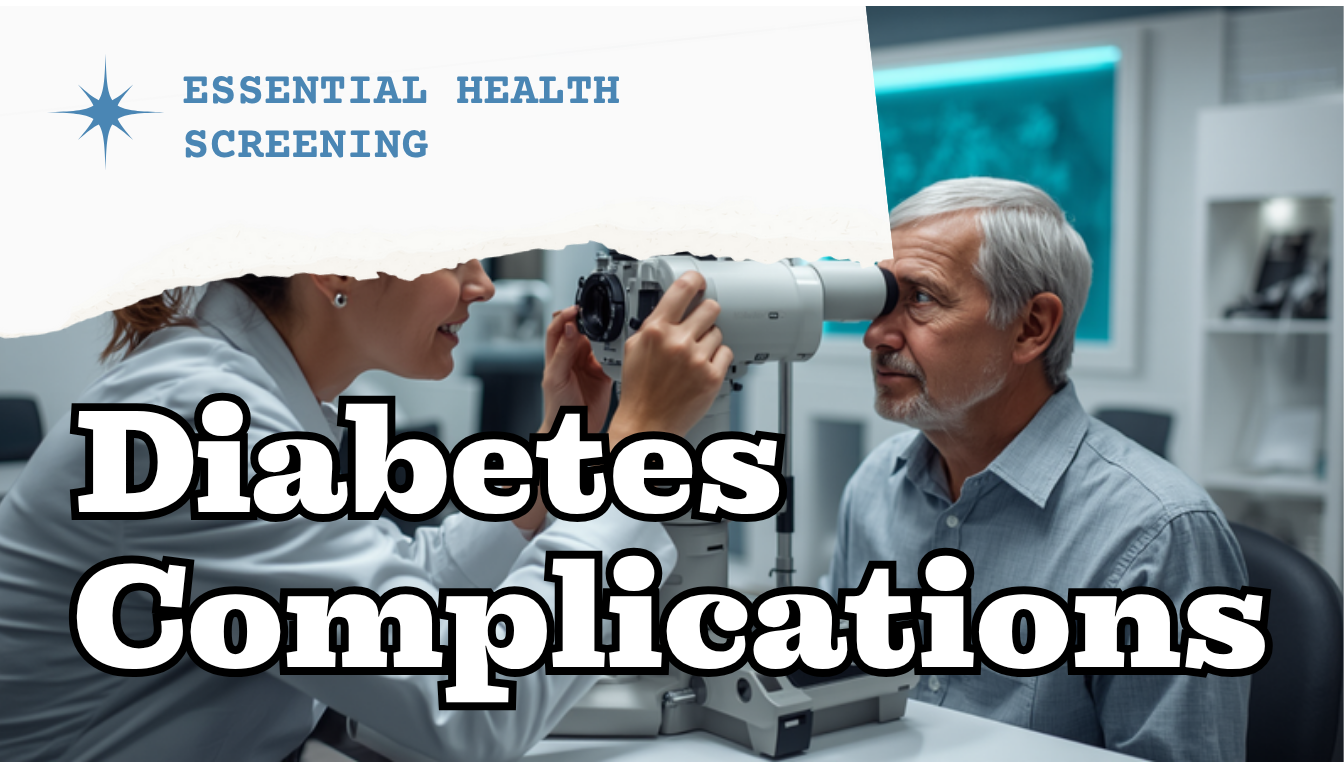
Eyes (diabetic retinopathy)
High glucose damages the tiny vessels of the retina. Early on there are usually no symptoms — vision changes come late. That’s why an annual dilated eye exam matters even when you see perfectly. Caught early, treatments are highly effective at preserving vision.
Feet and nerves (neuropathy)
Nerve damage often starts as tingling, burning or numbness in the toes. Numb feet are vulnerable feet: small injuries can go unnoticed and become serious. The routine that protects you:
- Check your feet daily (mirror for the soles, or ask for help)
- Well-fitting shoes, never barefoot outdoors
- Report any sore, blister or color change that doesn’t improve quickly
- A professional foot exam at least yearly
Kidneys (diabetic nephropathy)
Diabetes is a leading cause of kidney disease worldwide — and again, early stages are silent. A simple yearly urine albumin test and blood creatinine (eGFR) catch trouble years before symptoms. Blood pressure control matters as much as glucose here; some diabetes medications also protect kidneys.
Heart and blood vessels
Cardiovascular disease is the most common serious complication. The protective bundle is familiar: blood sugar control, blood pressure control, cholesterol management, not smoking, regular activity and heart-smart eating.
The screening calendar that catches problems early
- Every visit: blood pressure, weight
- Twice yearly or more: A1C
- Yearly: dilated eye exam · urine albumin + eGFR · comprehensive foot exam · cholesterol panel · dental check
- Complications develop silently — screening finds them while they’re treatable.
- Eyes, feet, kidneys and heart each have a simple yearly check.
- Every point of A1C improvement meaningfully lowers risk.
- You are not powerless: control + screening = protection.
Frequently asked questions
Are complications inevitable?
No. Large studies show good glucose, blood pressure and cholesterol control dramatically reduce complication risk over decades.
Can early complications be reversed?
Some early changes can improve with tight control; established damage is usually managed rather than reversed. Earlier is always better.
What symptoms should trigger an urgent call?
Sudden vision changes, a foot wound that isn’t healing, chest pain or stroke signs — treat these as urgent, always.
References
- American Diabetes Association — Standards of Care: Complications
- CDC — cdc.gov/diabetes: Preventing Complications
- NIDDK — niddk.nih.gov
Putting diabetes complications into practice
The real value of diabetes complications comes from steady, day-to-day consistency. Keep diabetes complications simple: learn the essentials first, then build a routine that genuinely fits your life. If you ever feel stuck with diabetes complications, small adjustments usually beat big changes — and your care team can tailor diabetes complications to your personal needs.
Diabetes Complications: The Bottom Line
The best outcomes rarely come from dramatic overhauls — they come from small, consistent habits you can actually keep. Start by understanding what your key numbers mean, then agree on realistic targets that fit your daily life together with your care team. Keep a simple record of what you eat, how you move and how you feel, so patterns become clear and you can repeat what works. Prepare for the tricky moments in advance, and give yourself credit for steady progress rather than perfection. Above all, if something feels off or you are unsure, do not guess — reach out to a qualified healthcare professional. With reliable information and a routine that suits you, staying in control becomes far more manageable.
Helpful links
Medical disclaimer: This article is for general education and is not a substitute for professional medical advice. Always consult a qualified healthcare provider.